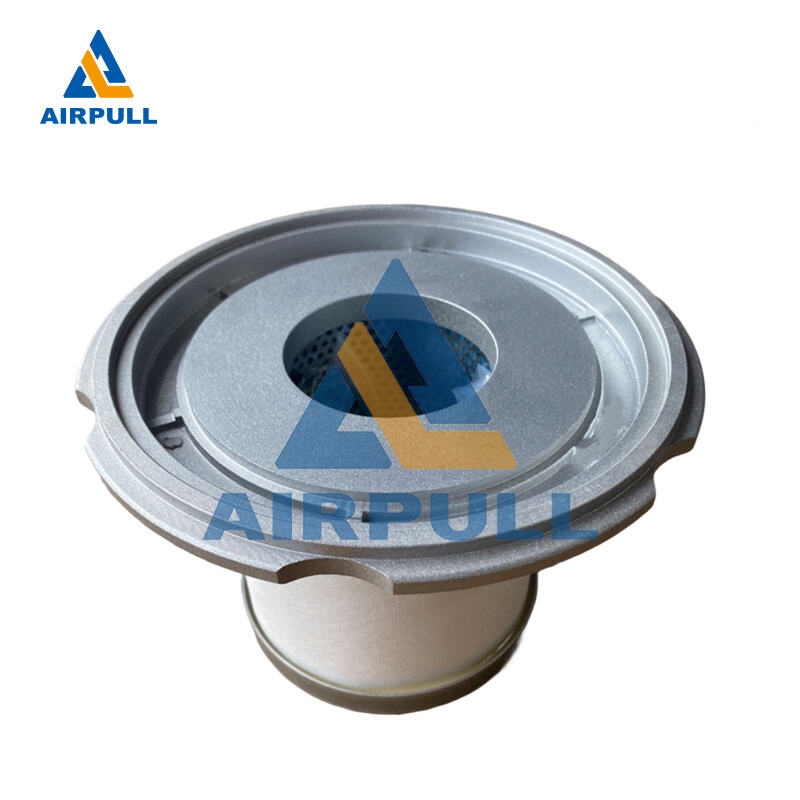
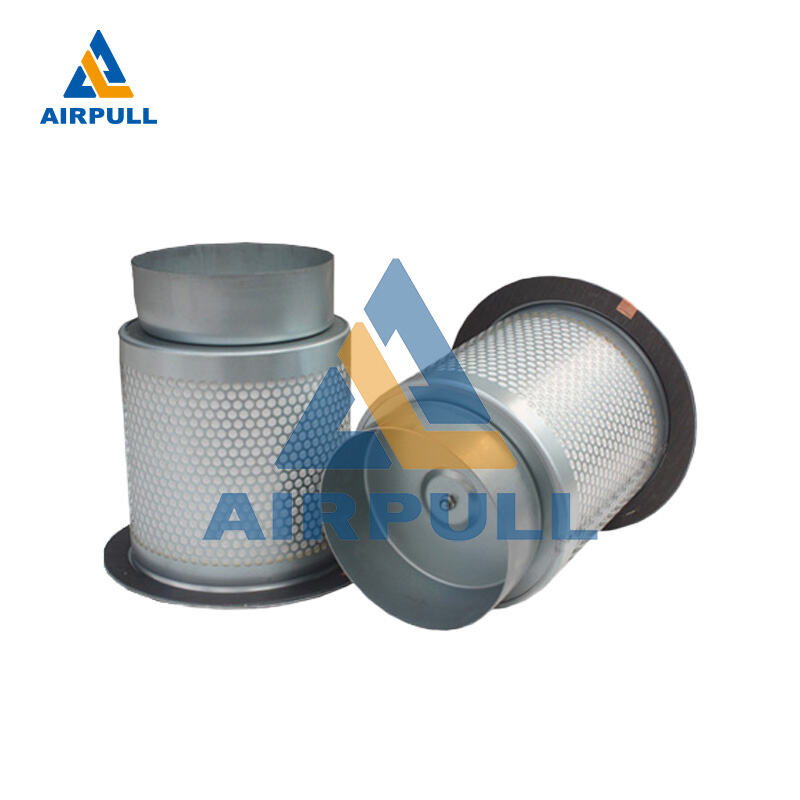
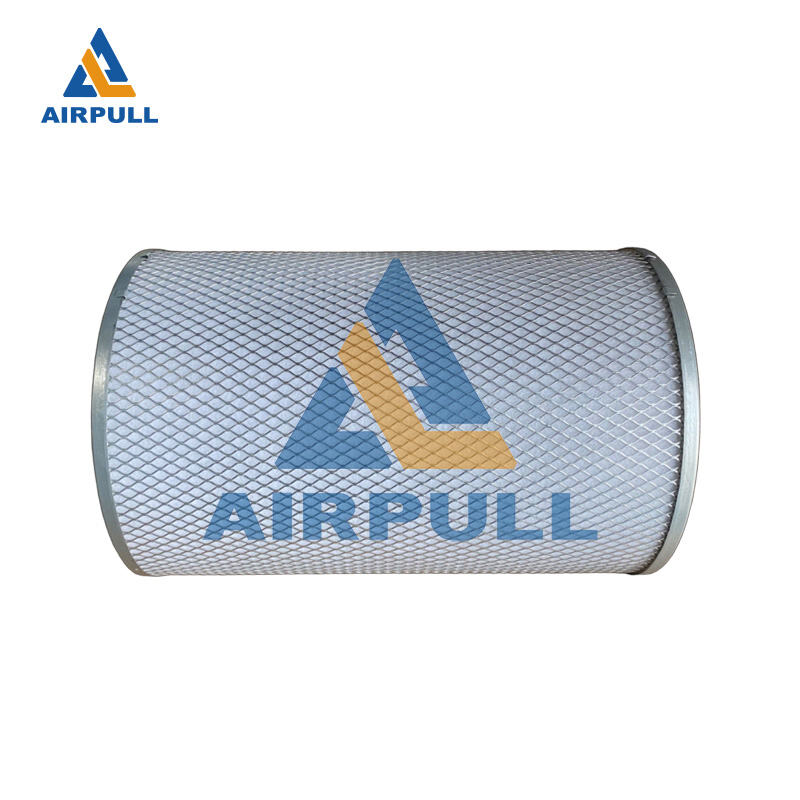
oil gas separator
An oil gas separator is a critical piece of equipment in the petroleum industry, designed to efficiently separate the mixed stream of oil, gas, and water that comes from oil wells. This sophisticated vessel operates on the principles of gravity separation and pressure differential, utilizing multiple stages to achieve optimal separation results. The primary function involves receiving the well stream and systematically separating it into its constituent components through a combination of mechanical and gravitational processes. Inside the separator, the mixture enters through an inlet diverter that reduces the velocity and creates initial separation. The gas rises to the top section, while heavier liquids settle at the bottom. Advanced internal components, including mist extractors, weir plates, and baffles, ensure thorough separation and prevent re-entrainment. These separators can be configured as two-phase (separating gas from liquid) or three-phase (separating gas, oil, and water) systems, depending on the application requirements. They are essential in upstream operations, processing facilities, and refineries, where maintaining product quality and operational efficiency is paramount. Modern oil gas separators incorporate sophisticated control systems that monitor pressure, temperature, and liquid levels, automatically adjusting parameters to maintain optimal separation efficiency.

 EN
EN