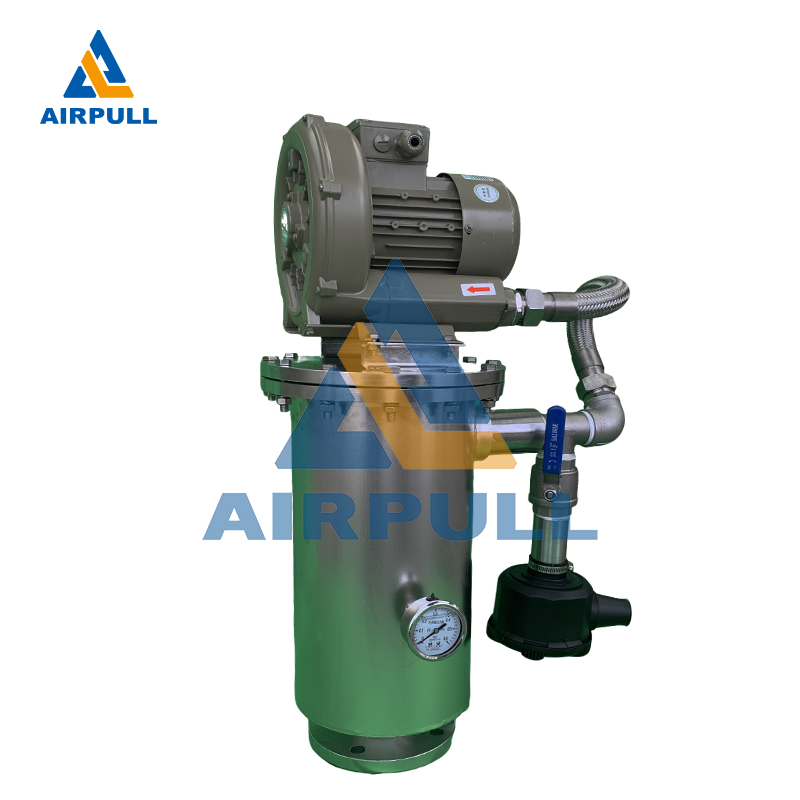
High-Efficiency Oil Mist Separator: Advanced Filtration Technology for Industrial Applications

Get a Free Quote

Our representative will contact you soon.
Email
Name
Company Name
Message
0/1000

oil mist separator working principle

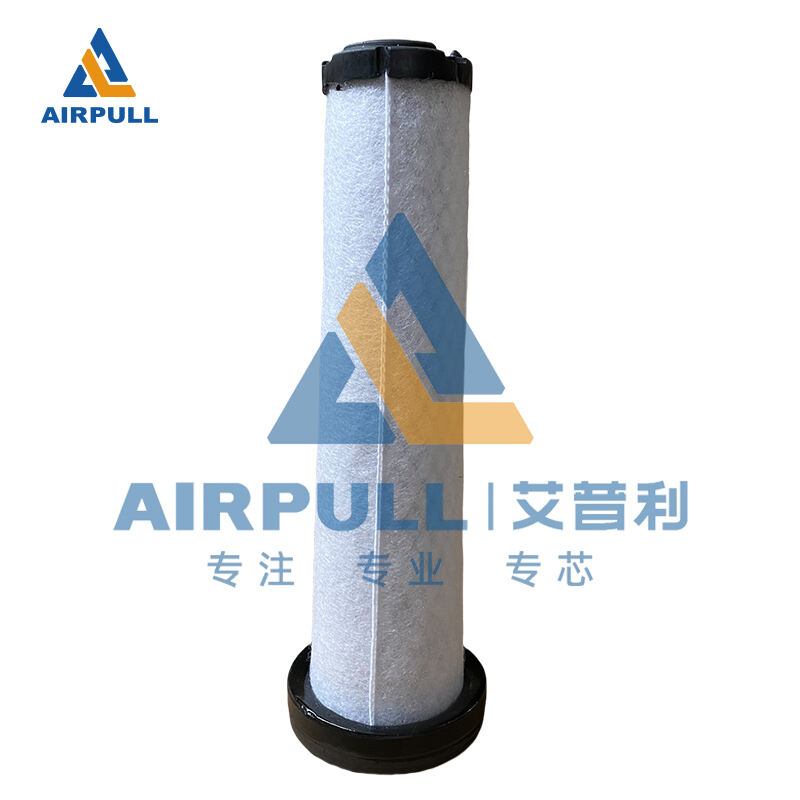
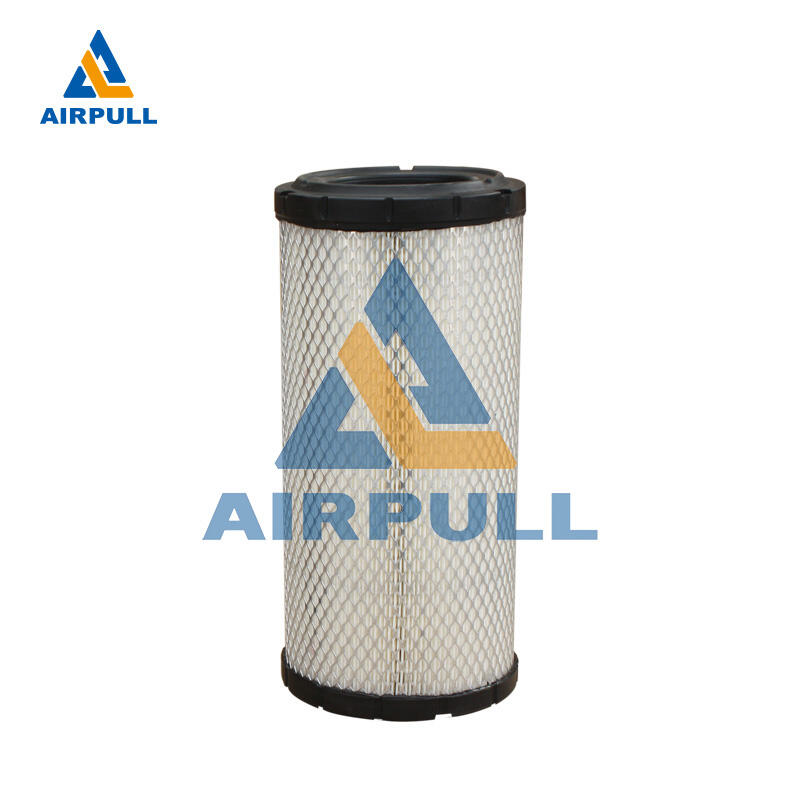
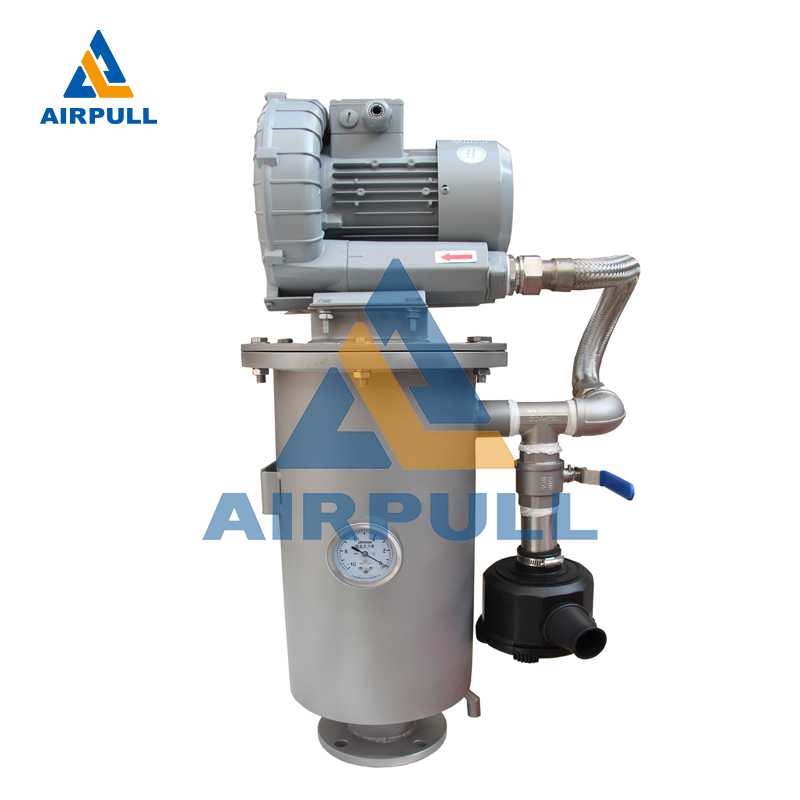
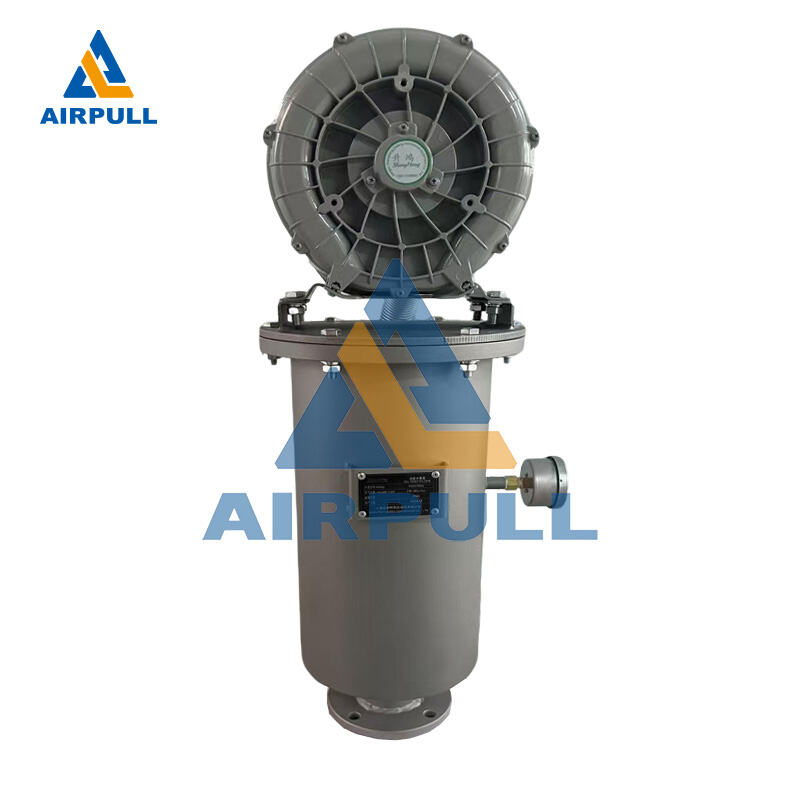
An oil mist separator operates on a sophisticated principle designed to effectively remove oil particles from air or gas streams. The working principle involves multiple stages of separation, beginning with the intake of contaminated air containing oil mist particles. As the air enters the separator, it undergoes centrifugal force action, where the heavier oil particles are forced outward against the separator walls. The primary separation occurs through a combination of impingement and coalescence processes. The contaminated air passes through specialized filter elements, typically made of wire mesh or other engineered materials, which capture oil droplets through direct interception and inertial impaction. As these droplets accumulate, they combine to form larger droplets that eventually drain down the separator walls. The system also incorporates a secondary filtration stage where finer oil particles are captured through diffusion and electrostatic attraction. This multi-stage approach ensures highly efficient oil mist removal, with separation efficiency often exceeding 99%. The cleaned air is then discharged, while the collected oil is either disposed of or recycled back into the system. This working principle is particularly effective in industrial applications where oil mist generation is common, such as in machining operations, compressor systems, and industrial ventilation systems.


Popular Products

The oil mist separator working principle offers numerous significant advantages that make it an invaluable solution for industrial applications. First and foremost, its highly efficient separation mechanism ensures superior air quality in the workplace, significantly reducing health risks associated with oil mist exposure. The system's ability to operate continuously with minimal maintenance requirements translates to reduced downtime and lower operational costs. The separator's design promotes energy efficiency by maintaining low pressure drops across the system, resulting in reduced power consumption compared to alternative solutions. Another key advantage is the system's versatility in handling various types of oil mists and particles of different sizes, making it suitable for diverse industrial applications. The principle allows for modular design implementations, enabling easy scaling and adaptation to specific requirements. The separator's ability to recover and potentially recycle captured oil contributes to environmental sustainability and resource efficiency. The working principle also accommodates high-temperature applications and can handle varying flow rates without compromising performance. Advanced models incorporating this principle often feature self-cleaning mechanisms that extend filter life and reduce maintenance frequency. The system's compact design requires minimal floor space while delivering maximum efficiency. Additionally, the principle supports the integration of monitoring systems for real-time performance tracking and predictive maintenance. These advantages collectively result in improved workplace safety, reduced environmental impact, and significant cost savings through efficient operation and reduced maintenance requirements.

Latest News

Signs Your Air Compressor Filter Needs Replacement

18

Sep

Signs Your Air Compressor Filter Needs Replacement

Understanding the Critical Role of Filtration in Air Compression Systems Air compressor filters serve as the first line of defense in maintaining the quality and efficiency of compressed air systems. These essential components protect both the compre...
View More
Air Compressor Filter Maintenance: Essential Tips

18

Sep

Air Compressor Filter Maintenance: Essential Tips

Understanding the Critical Role of Filtration in Air Compression Systems Air compressor filters serve as the first line of defense in maintaining the quality and efficiency of compressed air systems. These essential components protect both the compre...
View More
Choose the Right Air Compressor Filter: Expert Guide

18

Sep

Choose the Right Air Compressor Filter: Expert Guide

Understanding the Critical Role of Filtration in Compressed Air Systems The efficiency and longevity of any compressed air system heavily depend on proper filtration. An air compressor filter serves as the guardian of your entire compressed air netwo...
View More
Air Compressor Filter Sizes: Complete Overview

18

Sep

Air Compressor Filter Sizes: Complete Overview

Understanding the Critical Role of Filtration in Air Compression Systems Air compressor filters serve as the vital guardians of your compressed air system, protecting both your equipment and end products from contamination. These essential components...
View More

Get a Free Quote

Our representative will contact you soon.
Email
Name
Company Name
Message
0/1000

oil mist separator working principle

Advanced Filtration Technology

Advanced Filtration Technology

The oil mist separator's filtration technology represents a breakthrough in industrial air purification. The multi-stage filtration process employs advanced materials and engineered designs that optimize particle capture across various size ranges. The primary stage utilizes specially designed filter elements that create optimal flow patterns for maximum particle interception. These elements are constructed from durable materials that resist degradation from continuous oil exposure while maintaining consistent performance. The secondary filtration stage incorporates fine-mesh filters that capture submicron particles through both mechanical and electrostatic means. This comprehensive approach ensures exceptional filtration efficiency while maintaining minimal pressure drop across the system.
Intelligent Oil Recovery System

Intelligent Oil Recovery System

The intelligent oil recovery system is a cornerstone of the separator's design, maximizing both efficiency and environmental sustainability. This system automatically collects and channels separated oil through carefully engineered drainage pathways that prevent re-entrainment. The recovered oil can be collected in dedicated reservoirs for disposal or recycling, reducing waste and operating costs. Advanced models feature automated monitoring systems that track oil accumulation rates and optimize drainage cycles. This intelligence extends to predictive maintenance capabilities, alerting operators to potential issues before they impact performance.
Energy-Efficient Operation

Energy-Efficient Operation

The energy efficiency of the oil mist separator's working principle sets new standards in industrial air purification. The design minimizes resistance to airflow while maintaining high separation efficiency, resulting in significantly lower power consumption compared to conventional systems. The optimized flow paths and filter element arrangements ensure uniform air distribution, preventing localized pressure drops that could increase energy requirements. The system's ability to maintain consistent performance over extended periods further contributes to its energy efficiency. Advanced control systems automatically adjust operating parameters based on load conditions, ensuring optimal energy usage at all times.

Get a Free Quote

Our representative will contact you soon.
Email
Name
Company Name
Message
0/1000